 Nintendo

ROM Check Panic! ★★★☆☆
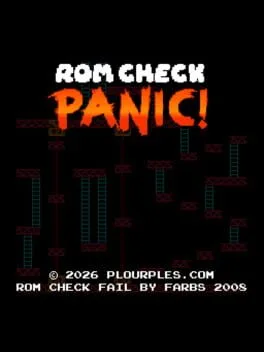
Very cute concept. I really like how the different maps for each game are so chaotically recontextualised as the mechanics get swapped from one to another. Would love to see it expanded with even more variety.
Very cute concept. I really like how the different maps for each game are so chaotically recontextualised as the mechanics get swapped from one to another. Would love to see it expanded with even more variety.

The title screen for Super Mario Bros. features the options to start a 1 player game or a 2 player game, but pressing up or down on the NES’ D-pad does nothing; instead the select is used to select which choice the player will make before hitting the start button to begin. The NES controller has two different conceptual spaces, with the D-pad and face buttons for controlling gameplay, while the start and select buttons—relegated to the more out-of-the-way middle space of the controller—are for more metatextual, system-level inputs. The Famicon’s second controller didn’t even have start and select buttons, the second player being purely concerned with the gameplay space and not the system space.
This convention did not last long. As games became more complex and switching between different screens, different contexts and different levels of abstraction became a normal part of games, using the D-pad and face buttons to navigate menus and options became the norm. Select instead became a useful, general-purpose auxiliary button; something not used as part of normal gameplay rhythms but for things like opening a map or menu screen separate from the start button, which generally also served to pause and open a pause menu if one exists.
But despite being somewhat of a holdover the labels stuck, at least for a while. The NES, SNES, Game Boy, PSX, PS2 and PS3 all had start and select buttons. The Mega Drive, Saturn, Dreamcast, N64 and Gamecube all had start buttons. Even if different consoles had different conventions for how to label their face buttons at least everyone agreed on what to call the auxiliary buttons in the middle of the controller, whether there was one or two of them.
Microsoft broke this convention with the Xbox. Instead of a select button the Xbox had a back button, with a glyph of left-pointing triangle to mirror the one for start (itself borrowing from Sony’s use of a play button symbol). Select had long since stopped making sense as anything other than convention, but calling it the back button was hardly any better for how the second central auxiliary button is actually used in games and this divergence would be the start of a complete breakdown in convention.
Nintendo, the originators of the convention in the first place, started assigning + and - symbols to the start and select buttons, respectively, and then moved to simply calling the buttons + and - entirely. The PS4 moved to calling them options and share and the PS5 to options and create, while the newer Xbox consoles have gone with menu and view with Valve following suit for the Steam Deck and second Steam Controller (though they’ve gone with Sony’s conventions for labelling of shoulder buttons).
No one can agree what to call these things any more and while start and select were not ideal labels for what the buttons were actually used for I don’t think these other names are any better and I am probably just going to keep calling them start and select forever.
Also the shift to making face buttons monochrome is fascist I will not elaborate on this.
When I watched Iron Lung I remarked to some friends that it might be the first film adaptation of a computer game that is longer than the original game, but when I saw Exit 8 on the programme for the annual Japanese Film Festival I realised that it got beaten to the punch by at least a year.
This inspired me to make a Letterboxd list of movies that are longer than the game they’re based on. The criterion that I’m using is the official runtime of the film version versus what How Long to Beat gives as the median clear time for the main story mode of the game. How Long to Beat uses times self-sampled from the kinds of people who log game times on How Long to Beat which will skew those times down a bit from what a typical person might experience, but it’s the best metric available for this kind of thing.
The current list isn’t terribly long but the games represented in it fall into three categories. The first is recent indie horror titles. The two games that inspired this list fall in here. Five Nights at Freddy’s, another obvious contender that a few people have already suggest to me, doesn’t make the cut. How Long to Beat has the first Five Nights at Freddy’s down as two hours, just ten minutes longer than the 2023 movie’s runtime.
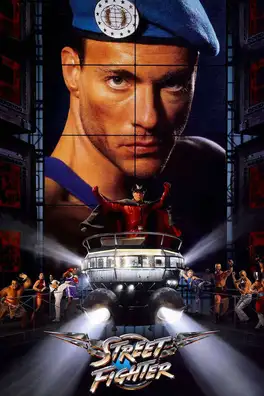
The second block is fighting games. I had thought about excluding fighting games from the list both because I thought that they would probably dominate everything else and because clearing the arcade mode of the likes of Street Fighter II doesn’t really feel like a reasonable judge of the “length” of a game that is intended to be primarily multiplayer. Even so, I eventually decided to stick to the rule I set and added them.
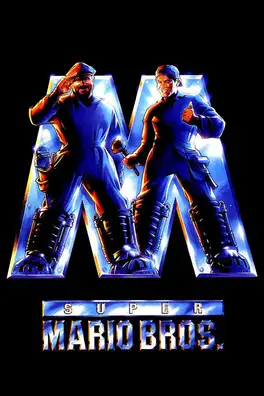
The third category is Super Mario Bros., which I think is a bit of an arguable case as the film is not really based on the game of same name so much as a taking ideas from the broad strokes of the series as a whole1, but I decided to include it anyway because I love that movie and I think it’s a funny addition to the list.
Also the How Long to Beat time for Super Mario Bros. (one hour and forty minutes) feels like it’s skewed very low and probably accounts primarily for successful attempts more than the experience of playing it from the start and having to start over many times as you learn it. ↩
I previously posted lists I’ve made picking one game and one film per year since 1990. 1990 acted as a good arbitrary stopping point as it’s a nice round number, it’s the year I was born and the number of games I’ve played at all from before then is pretty small, and it would be be fairly difficult to pick out shows for each year before then for me too. I’ve made a dedicated page on the site for these picks, made a few substitutions, added a pick for each for 2025 and added one series of television per year as well. All put into one table with the ability to toggle off which media you want to see selections for as well as some dynamic rearrangement based on screenspace, all done with (a horrendous mess of) Cascading Style Sheets and no Javascript.
These are not necessarily my favourite from each year. I have tried to be deliberate to give a spread of different styles and series I like as well including some weirder picks. Especially with games I spent a lot of time weighing choices for particular years based on what series I wanted to include and some years are just packed with formative games for me. 2001 has Metal Gear Solid 2, Silent Hill 2, Commandos 2 and Halo (and Grand Theft Auto 3 and Advance Wars and Worms World Party…). I eventually gave the year to Metal Gear Solid 2 after weighing up that I could have Resident Evil 2 and Silent Hill: Shattered Memories covering some bases for Silent Hill 2, Shadow Tactics was spiritually taking up a place for the Commandos series and there’s already plenty of shooters there to justify dropping Halo.
Similarly Prey is spiritually covering for System Shock so that I can have a childhood favourite Soleil for 1994 and Half-Life would probably beat out Resident Evil 2 in a head-to-head but there’s already two Half-Life games on there and I wanted it to carry the survival horror water for both the aforementioned Silent Hill 2 and for the REmake that got booted out from the previous iteration to make room for Robot Alchemic Drive. And yes after going on about carefully spreading out my choices I did give three picks to Sonic games, one to another Sonic Team-developed game and two more to Sonic-inspired indie games (and four different series of Doctor Who for the TV list). I will not be taking feedback on this.
Again the page is here and the lists are also on my Letterboxd, Serializd and Backloggd accounts as well as a second Letterboxd list covering the years 1970-1989.

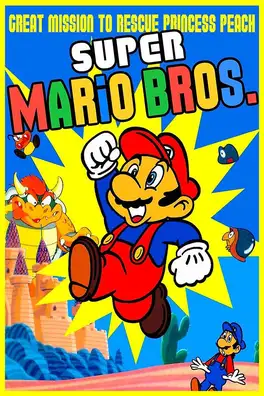
Very fun movie. The original animation is extremely charming and the dub is hilarious. The metafictional jokes and obvious “censorship” are really fun to pick out and the acting is great with some absolutely wonderful, abrupt, line deliveries that had me in stitches. “Now get in the box!”
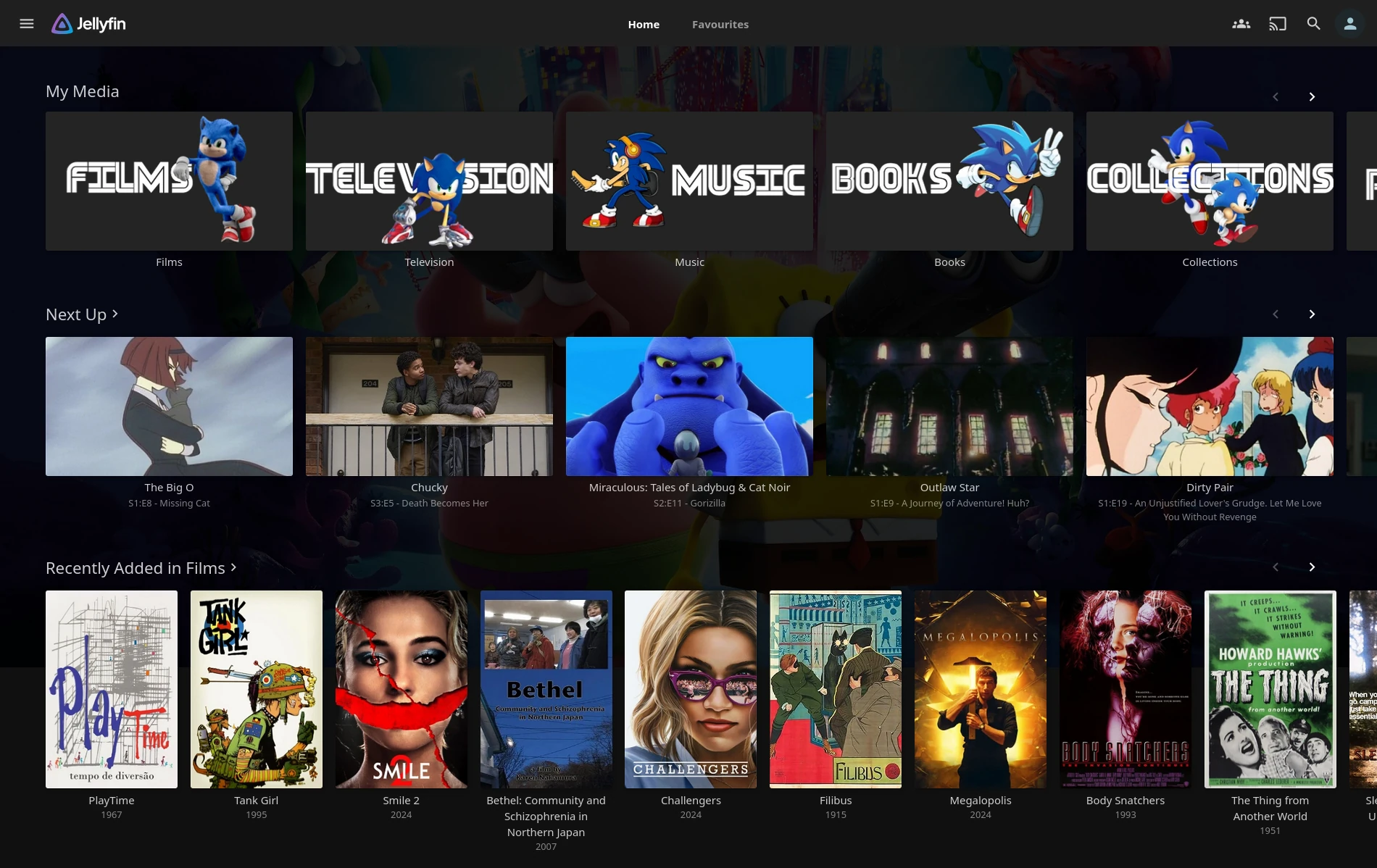
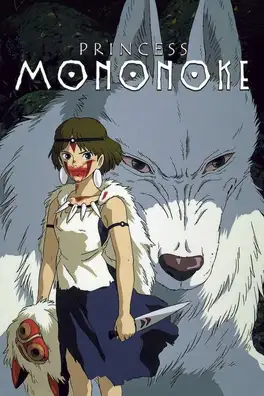
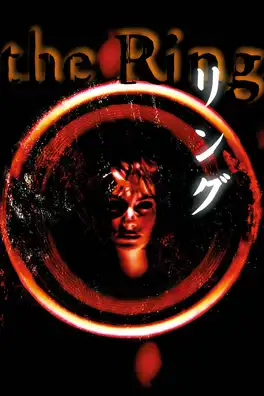
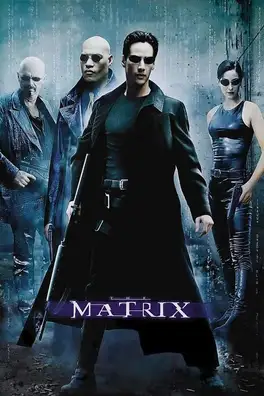
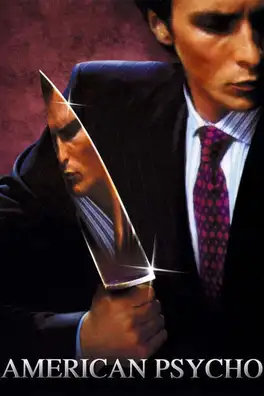
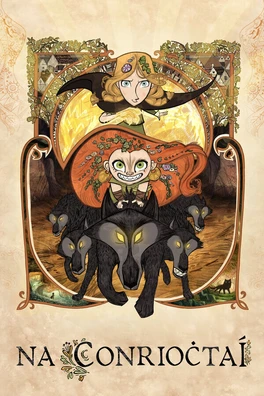
I really like Jellyfin. It’s sort of an open-source Plex. I run a server that is just on my local network that lets me watch films and television shows from my desktop, couch, phone or anything else on my home network and even simply organising everything is very pleasing to me. I spend far too long picking covers and artwork for everything, sometimes even making my own, like when I made an Irish logo and cover for Na Conriochtaí when I couldn’t find one to match the official Irish posters for the other two Cartoon Saloon folklore movies.
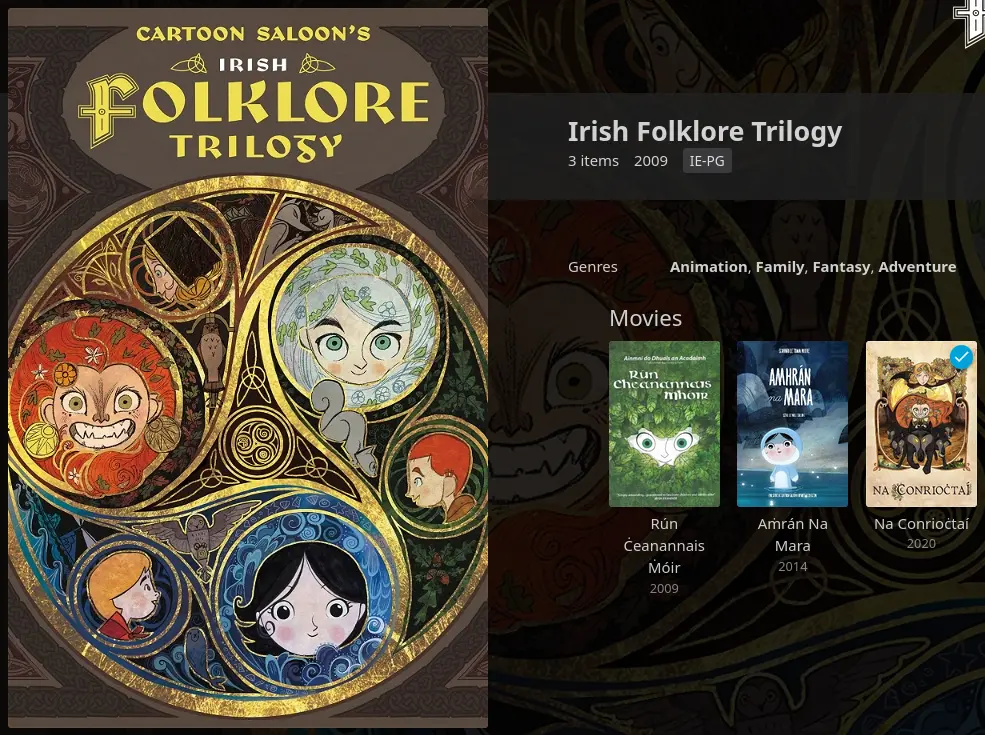
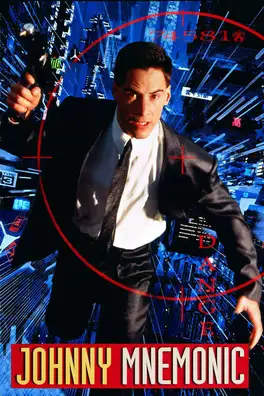
It has some other really nice features as well like telling you what time something will end at if you started playing now and letting you easily have multiple version of the same film under the same entry, letting you as easily select them as you would the right language for a movie with multiple audio tracks, so you can have both a bluray rip and the Morton Jankel cut of Super Mario Bros. together or the official black and white cuts of Fury Road or Johnny Mnemonic alongside the colour versions.
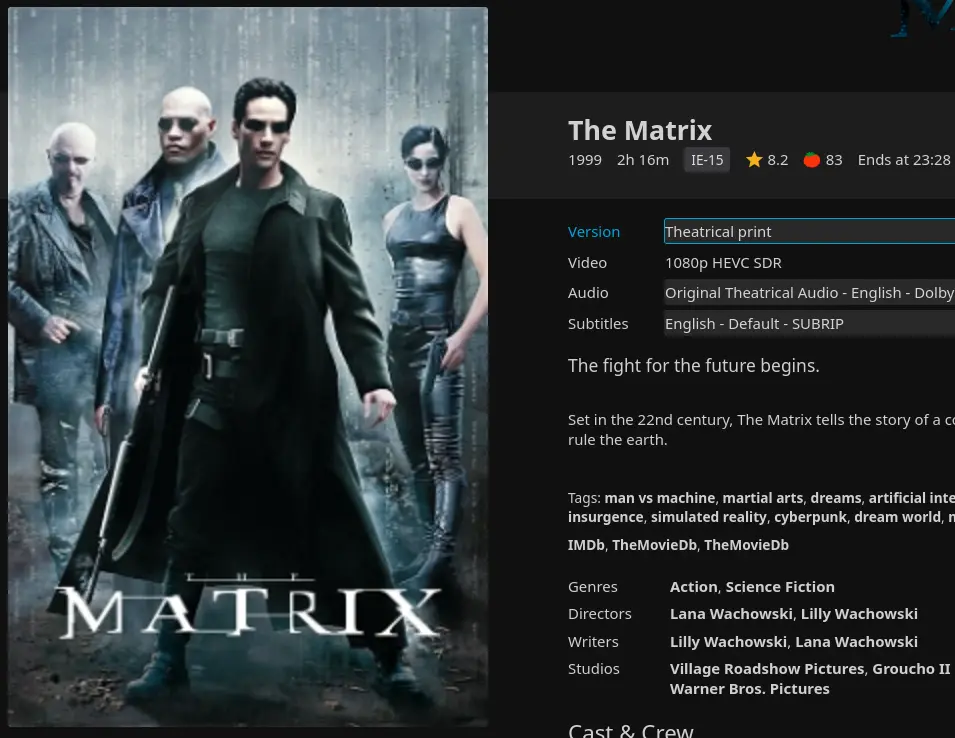
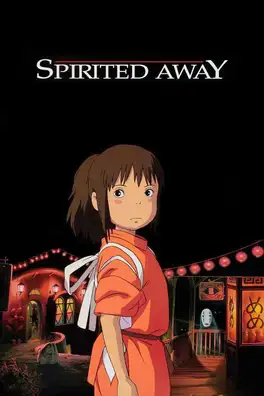
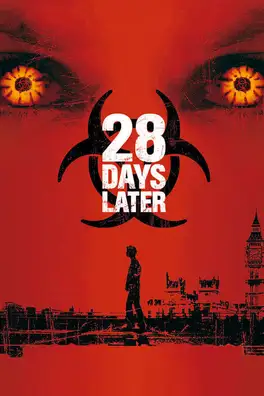
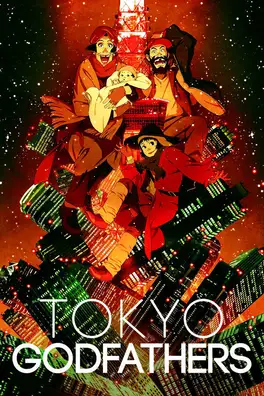
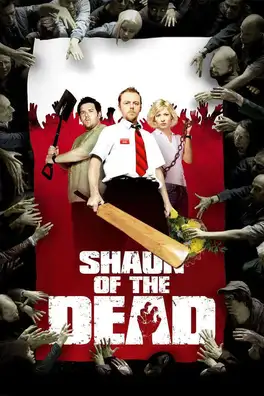
And of course you can also customise the artwork for all the different media categories, so mine look like this: